
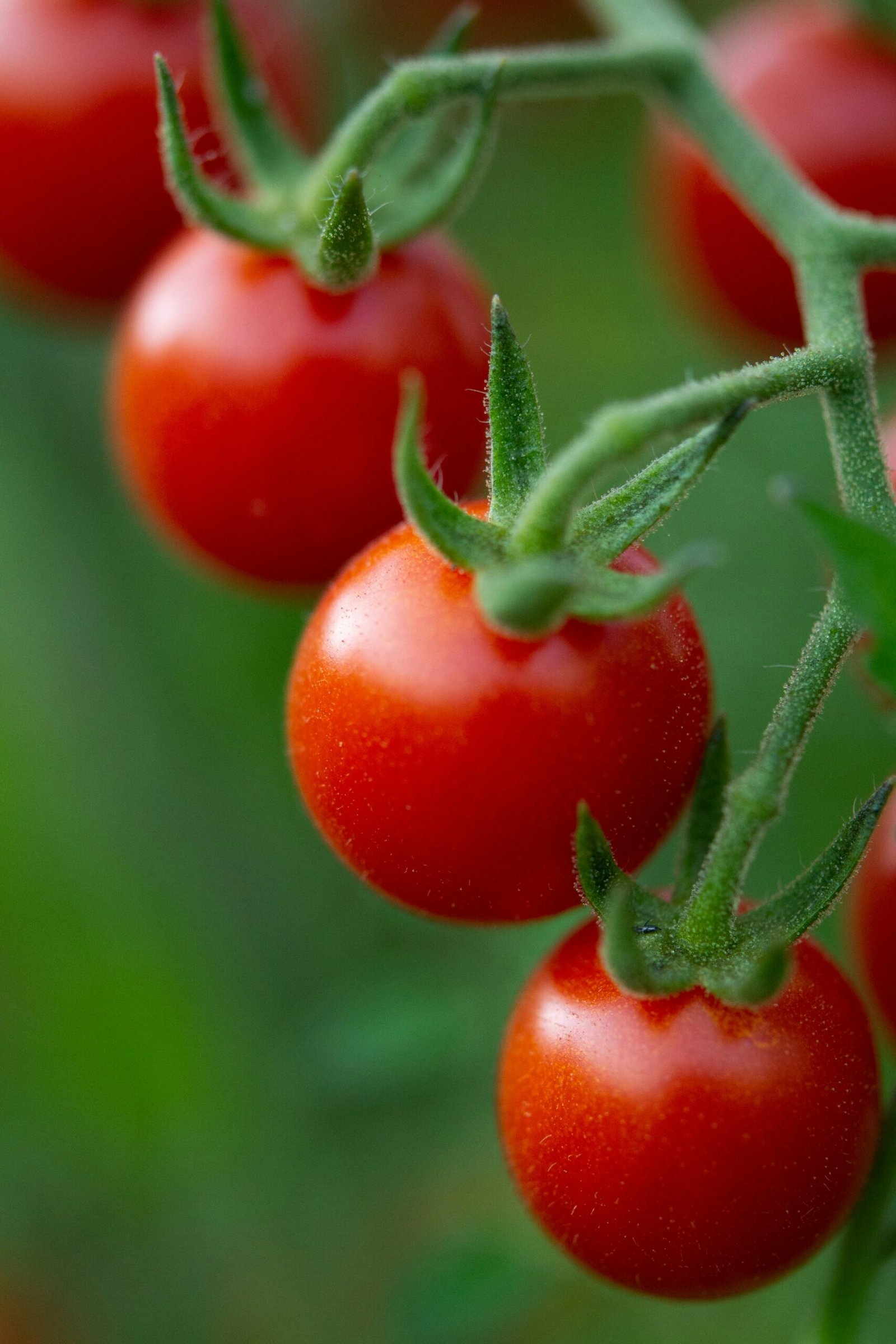
Looking for vegetable garden ideas that work in real life? Discover 20 practical layouts for small spaces, balconies, patios, and backyards — perfect for beginners who want to grow fresh food without stress.
A Real-Life Guide to Vegetable Garden Ideas That Anyone Can Try
If you’ve ever imagined stepping outside and picking your own tomatoes, snipping fresh herbs for dinner, or watching lettuce sprout from tiny seeds, you’re definitely not alone. More and more people want to grow their own food — not just because it’s healthier, but because it feels grounding, satisfying, and honestly… kind of magical.
But here’s the part nobody likes to admit: getting started can feel intimidating. You might be thinking…
- “I don’t have enough space.”
- “I’ll probably kill everything.”
- “I don’t even know where to start.”
- “My balcony barely fits a chair.”
Here’s the good news — you don’t need to be an expert, and you don’t need a huge yard. The real secret is choosing a garden layout that fits your lifestyle, your space, and the amount of time you actually have — not some Pinterest-perfect ideal.
That’s exactly what you’ll find here: 20 vegetable garden ideas that work in the real world, for real people, including beginners, renters, busy moms, tiny-space dwellers, and people who’ve killed every plant they ever owned.
Why Choosing the Right Garden Layout Matters
Your layout is the foundation of your growing success. A smart layout will help you:
– Grow more food in less space
– Water and harvest without struggling
– Reduce pests and plant disease
– Spend less time weeding
– Keep things tidy and manageable
– Feel confident — even if you’re a beginner
Gardening isn’t about perfection — it’s about building a little space that brings joy.
Before You Pick a Layout — Ask Yourself These 5 Simple Questions
1. How much space do you really have?
A balcony, patio, sunny windowsill, courtyard, or yard all open different possibilities.
2. How much sun does your space get?
Most veggies need 6–8 hours a day, but leafy greens grow with less.
3. How much time do you want to spend maintaining it?
Some layouts mean less watering and fewer weeds.
4. Do you care more about aesthetics or practicality?
Both are valid — your garden should make you smile.
5. What do you actually want to eat?
If nobody in your house eats eggplant… don’t grow eggplant!
Once you know these answers, choosing the right layout becomes much easier.
20 Vegetable Garden Layout Ideas That Actually Work
1. Simple Row Garden
Perfect for beginners with backyard space — easy, traditional, clear rows, simple watering.
2. Raised Bed Layout
Better soil, fewer weeds, warms up faster in spring, easier to maintain.
3. Square Foot Garden
Marked 1×1 foot squares — organized, productive, great for first-timers.
4. Container Garden
Ideal for balconies, patios, renters, and people who move often.
5. Vertical Garden
Grow upward with trellises, towers, wall planters — amazing space saver.
6. Keyhole Garden
Circular bed with compost basket in center — self-feeding and water efficient.
7. Companion Plant Layout
Plant buddies together for pest control and better growth — like basil with tomatoes.
8. U-Shaped Garden
Great access from all sides — no stepping in soil, perfect for ergonomic gardening.
9. Herb Spiral
Beautiful, compact, layered — excellent for herbs, lettuces, strawberries.
10. Fence or Border Beds
Turn unused yard edges into food-growing spaces — subtle and tidy.
11. Mandala Garden
Circular artistic layout — beautiful centerpiece and surprisingly productive.
12. Trellis Tunnel
Grow beans, peas, cucumbers overhead — magical for kids and adults.
13. Pallet Garden
Repurpose an old pallet — ideal for herbs, greens, and small veggies.
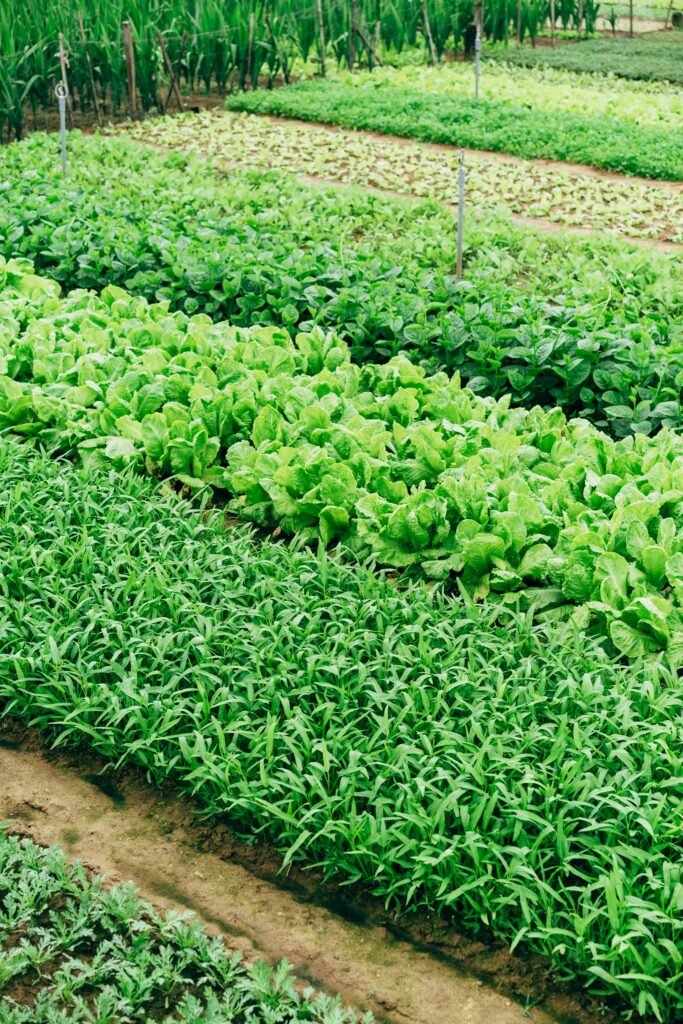
14. Pathway Bed Layout
Beds separated by mulch or gravel paths — easy to access and maintain.
15. Mini Greenhouse Beds
Ideal for cooler climates or longer harvest seasons.
16. Tabletop Raised Beds
Perfect for seniors, wheelchair access, or people avoiding bending.
17. Balcony Rail Planters
Use railing space for lettuce, herbs, edible flowers — tiny but mighty.
18. Window Box Garden
Grow herbs where you cook — convenient and charming.
19. Perennial Vegetable Patch
Plant once — harvest for years. Think asparagus, rhubarb, sorrel.
20. Kids’ Garden Zone
A small plot for children — fast growers like radishes or peas keep them excited.
Beginner-Friendly Vegetables for Any Layout
If you’re new, start with easy successes:
– Lettuce & spinach
– Cherry tomatoes
– Radishes
– Green beans
– Basil & chives
– Peas
– Zucchini (but give it space!)
These grow quickly, bounce back easily, and build confidence.
Tips to Make Any Garden Layout Work Better
Start small (seriously)
Better to grow one thriving bed than five overwhelming ones.
Water deeply, not constantly
Deep watering = stronger roots, fewer weak plants.
Use mulch
Less watering, fewer weeds, more moisture retention.
Plant what you’ll actually eat
Grow food that excites you.
Keep tools nearby
Convenience makes consistency easier.
Don’t panic if plants die
Every gardener has killed plants — it’s part of learning.
FAQ – Vegetable Garden Ideas
What is the easiest vegetable garden layout for beginners?
Raised beds and square foot gardens are the easiest because they reduce weeds, simplify spacing, and make watering more efficient.
Can I grow vegetables in a small space or apartment?
Yes! Containers, balcony rail planters, and vertical gardens let you grow food even without a yard.
How much sun do vegetables need?
Most vegetables need 6–8 hours of sunlight per day, though leafy greens can grow with less.
What vegetables grow well together?
Tomatoes + basil, onions + carrots, lettuce + radishes — companion planting supports growth and reduces pests.
How do I plan my first vegetable garden?
Start small, choose sun-friendly plants, pick a simple layout, and add more as you gain confidence.
Final Thoughts — Your Garden Doesn’t Need to Be Perfect to Be Worth It
You don’t need a magazine garden.
You don’t need expensive tools.
You don’t need to know everything before you start.
You just need:
– a little sunlight
– a little soil
– a little curiosity
– and the willingness to try
Whether it’s a pot of herbs, a balcony planter, or a raised bed bursting with cherry tomatoes, you are a gardener the moment you plant something.
And the first time you taste something you grew yourself… you’ll feel it:
– pride
– accomplishment
– calm
– joy