
Why Routines Make Toddler Life So Much Easier
If you’re in the toddler stage right now, then you already know…
Life feels like a rollercoaster you never asked to get on.
One second your child is laughing because you made a silly face.
The next, they’re on the floor devastated because you gave them the blue cup instead of the red one.
Toddlers are unpredictable. They’re sweet. They’re emotional. They’re curious. They’re exhausting.
And as moms, we spend a lot of time wondering: “Is it supposed to be this chaotic?”
Short answer?
Yes, totally.
But there is something that helps bring a little calm into all the chaos:
a simple, gentle, consistent routine.
Not a strict schedule.
Not a perfectly timed day.
Not something that makes you feel like you have to run your home like a daycare.
Just a rhythm.
A flow.
Something your toddler can count on… and something that helps you breathe a little easier.
Let’s talk about why routines help so much — and what a REALISTIC routine actually looks like in everyday mom life.
Why Toddlers Thrive With Routines (The Real Human Explanation)
We often think toddlers are complicated little creatures… but they’re actually pretty simple in one big way:
They want to know what’s coming next.
It makes them feel safe. Secure. Grounded.
Routines Create Emotional Safety
Imagine waking up every day and having no idea what’s going to happen.
No clue when you’ll eat, sleep, go out, stay in… nothing.
That’s toddler life without routine.
When your child starts recognizing the flow of the day — breakfast, playtime, nap, outside, dinner, bath, bed — they feel more confident and less overwhelmed by everything around them.
And when they feel secure, they’re calmer.
And when THEY’RE calmer?
You are too.
Routines Reduce Tantrums (Not Always… But Often Enough)
Many toddler meltdowns come from transitions:
- leaving the playground
- stopping playtime
- getting in the car
- going to bed
- switching activities
Routines soften the “shock.”
They help your toddler understand that one thing follows another.
And suddenly, transitions feel… less dramatic.
(Not meltdown-free — let’s stay honest — but dramatically less intense.)
Routines Help Toddlers Sleep Better
Toddlers absolutely love repetition at bedtime.
The same steps, the same order, the same tone — it acts like a signal to their brain:
“Okay buddy, it’s time to slow down.”
And when bedtime feels predictable, you get fewer bedtime battles.
(Not zero — but if you can go from 9 battles a week to 3… that’s worth celebrating.)
Routines Make YOUR Day Feel Lighter
Let’s be honest: motherhood is already a mental load Olympics.
When part of your day runs on “autopilot,” it gives your brain room to breathe.
Meals feel easier.
Transitions feel smoother.
You’re not constantly negotiating everything.
It’s not about perfection, it’s about making life easier for everyone.

What a Realistic Toddler Routine Looks Like (Not the Instagram Version)
Okay, let’s get something out of the way right now:
You do NOT have to follow a strict hour-by-hour plan.
Your house is not a school. You’re not a drill sergeant.
A good toddler routine is more like a rhythm, not a schedule.
You want the flow to be consistent, but the times can move around depending on:
- wake-up time
- teething
- naps
- errands
- your work
- life happening
So here’s a real mom, real life toddler routine — one you can adapt, adjust, or totally remix depending on your toddler’s personality and your family’s needs.
Sample Toddler Routine (Ages 1–3) — Flexible, Calm & Realistic
7:00 am — Wake-Up + Morning Snuggles
Some toddlers wake up smiling.
Some wake up like tiny grumpy grandpas.
And some climb on your head before you even open your eyes.
However your mornings start, try giving them a few minutes of calm:
- cuddles
- a soft song
- a few pages of a book
- a quiet cartoon
- sitting together while you wake up
It sets the tone for the whole day.
7:30 am — Breakfast
Keep breakfast simple. Toddlers love predictability in food:
- oats
- yogurt + fruit
- scrambled eggs
- toast + banana
- pancakes from the freezer (zero guilt)
The goal is nourishment, not perfection.
8:15 am — Independent Play / Quiet Play
This is such an important part of toddler development.
Even 15–20 minutes of independent play helps them:
- learn problem-solving
- build imagination
- become more confident
And let’s be honest…
it gives YOU a moment to drink your coffee before it turns cold.
9:00 am — Outdoor Time
Toddlers need to move.
They need fresh air.
They need freedom to run, climb, jump, explore.
Try:
- a short walk
- playground
- backyard play
- scooter time
- chalk in the driveway
Even 20 minutes outside makes a huge difference in their behavior.
10:00 am — Snack
Snack time is magic.
It prevents meltdowns, keeps energy steady, and gives you a mini break.
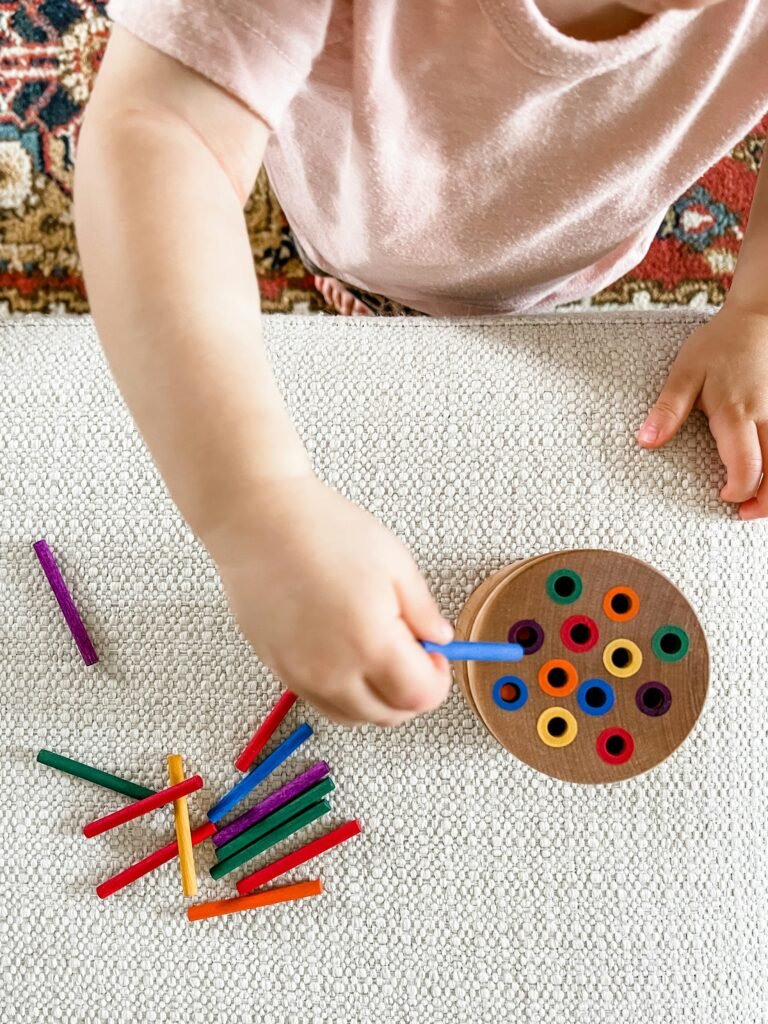
10:30 am — Creative Play / Sensory Play
This is the perfect time for:
- painting
- Play-Doh
- water play
- music and dancing
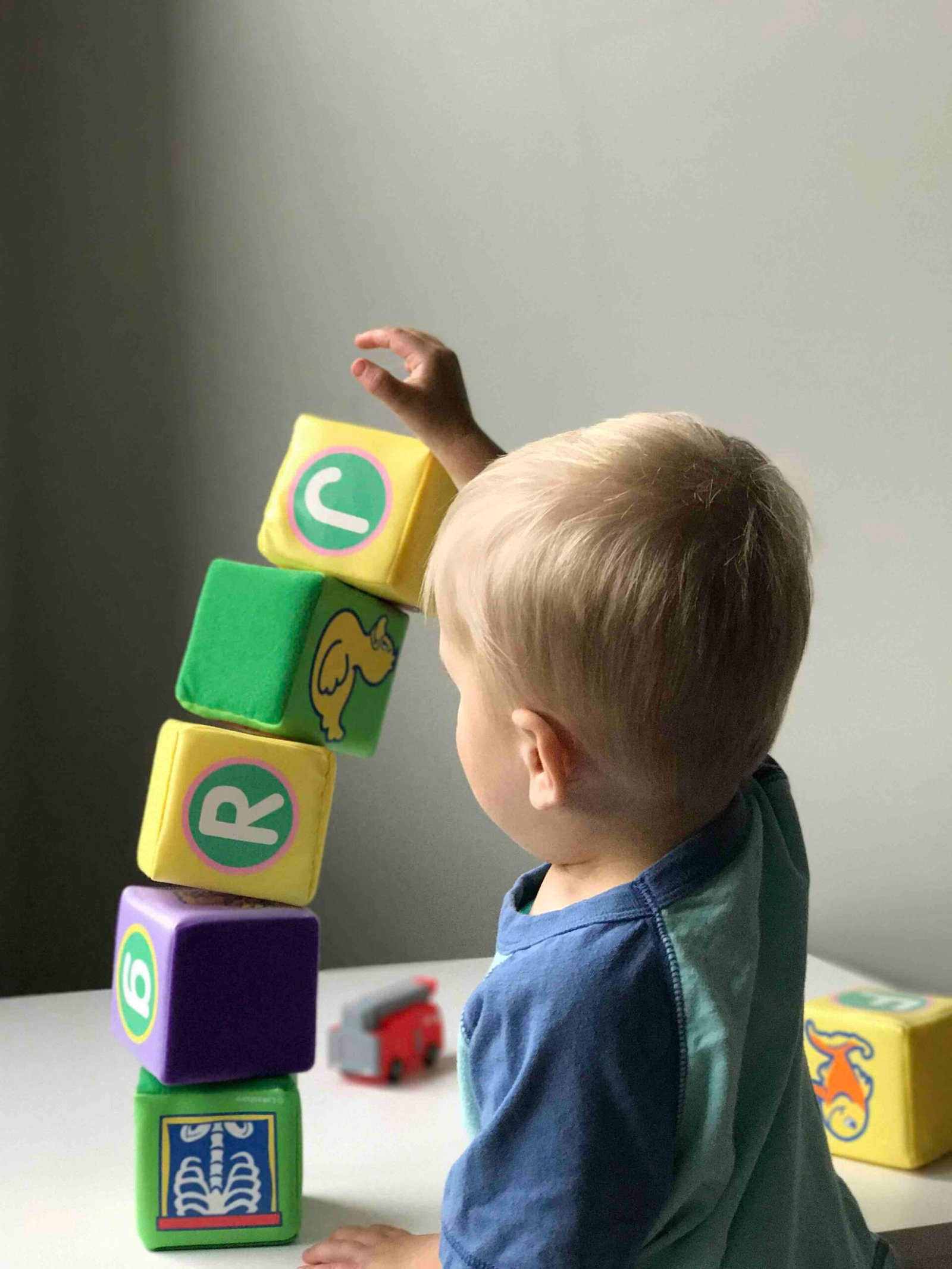
- stacking toys
- pretend play (kitchen, dolls, cars, animals)
No need for anything Pinterest-worthy.
Toddlers just want to engage, touch, explore, and make… messes.
12:00 pm — Lunch
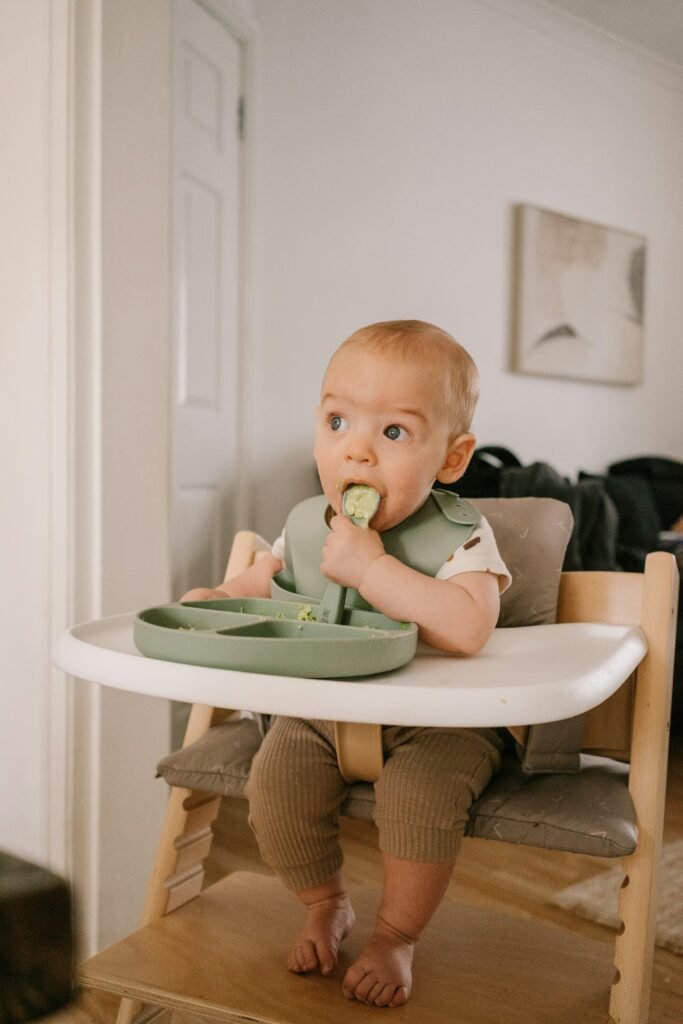
Keep lunch simple too:
- fruit
- veggies
- pasta
- sandwiches
- leftovers
- cheese + crackers
If they eat, great.
If they don’t, don’t panic — it’s toddler life.
12:30 pm — Nap or Quiet Time
Not all toddlers nap past age 2.
But ALL toddlers need rest.
Quiet time can be:
- dim lights
- calming music
- books
- soft toys
- lying in bed
If they nap, amazing.
If not, they still need downtime.
2:30 pm — Wake Up + Snack
A gentle wake-up makes the afternoon smoother.
A smoothie, fruit, yogurt, or crackers works well.
3:00 pm — Afternoon Play
Outside or inside, depending on weather and your energy.
This can be the best time for:
- playdates
- errands
- messy play
- walks
Or just letting them run around like happy tiny humans.
5:00 pm — Calm Activities
Shift the vibe toward slower activities:
- puzzles
- coloring
- reading
- soft music
- building blocks
It prepares them mentally for dinner and bedtime.
5:30 pm — Dinner
Toddlers love routine here:
- same mealtime
- same atmosphere
- same flow
No pressure.
No forcing food.
Just shared time.
6:15 pm — Bath Time
Bath time is basically toddler therapy.
It calms their nervous system, signals “bedtime is coming,” and helps transition them out of play mode.
6:45 pm — Bedtime Routine
This part should stay very consistent:
- Brush teeth
- Pajamas
- Story
- Snuggles
- Lights off
Bedtime routines don’t have to be long — they just have to be predictable.
7:00 pm — Bedtime
Some toddlers sleep earlier, some later.
Follow your child’s natural rhythm, not a strict rule.
How to Make This Routine Actually Work (Without Stressing Yourself Out)
1. Expect imperfect days
Some days will follow the routine beautifully.
Other days will fall apart completely.
Both are normal.
2. Keep transitions soft
Toddlers hate sudden changes.
Give warnings:
“Two more minutes, then snack.”
“After this, we clean up.”
Magic.
3. Don’t overschedule
Toddlers need slow days.
Quiet days.
Messy days.
You don’t have to entertain them every second.
4. Follow their rhythm
Some toddlers sleep at 6 pm.
Others at 8 pm.
There is no “wrong.”
Just YOUR child’s needs.
5. Keep the routine for YOU too
If there’s one secret to toddler routines, it’s this:
A routine helps the parent just as much as the child.
Final Thoughts: A Routine Isn’t About Control — It’s About Peace
If motherhood feels overwhelming right now, please hear this:
You are not doing anything wrong.
Toddlers are intense little humans.
A routine won’t fix everything…
but it WILL make life feel gentler, calmer, and more predictable.
Start small.
Be flexible.
Adjust as you go.
You and your little one are learning together.
And honestly? You’re doing an amazing job.