

If you’re a mom, you already know this: chaos doesn’t announce itself.
It just shows up.
It shows up when you’re pouring coffee and someone suddenly needs help finding a sock.
It shows up when you’re answering a question, wiping a counter, and mentally planning dinner at the same time.
It shows up when the house is quiet for exactly three minutes… and you start wondering what’s wrong.
For a long time, I thought chaos meant I was failing. I believed that if I were more organized, more disciplined, more “together,” things would feel calmer. I thought I needed a perfect routine, a spotless house, and a schedule that never slipped.
Spoiler alert: that didn’t happen.
What did happen, though, was something much more realistic. I stopped fighting the chaos and learned how to work with it. I stopped chasing perfection and started building routines that actually fit real life.
This is my real mom routine. Not the Instagram version. Not the Pinterest version. Just the version that helps me get through the day with a little less stress and, most of the time, a genuine smile.

Mornings: Why Waking Up 10 Minutes Earlier Changed Everything
I used to wake up exhausted and already behind. I’d open my eyes and instantly feel rushed. My brain would start listing everything I needed to do before my feet even touched the floor.
Now, I wake up about ten minutes before everyone else.
That’s it. Ten minutes.
I don’t use that time to clean or be productive. I use it to breathe. I drink my coffee while it’s still hot (or at least warmer than usual). I look at my day ahead. Sometimes I just sit in silence.
That small head start helps me feel like I’m choosing how the day begins instead of reacting to it. When the kids wake up, I’m calmer, more patient, and less overwhelmed.
It’s not about doing more. It’s about feeling ready.

Simple Breakfasts That Don’t Drain My Energy
I’ve learned that mornings fall apart when I try to do too much.
Breakfast used to be one of my biggest stress points. I felt pressure to make it special, balanced, and different every day. The result? I was tired before 9 a.m.
Now, breakfast is intentionally simple.
We rotate through the same easy options:
- Overnight oats
- Yogurt with fruit
- Toast and eggs
- Smoothies with ingredients already prepped
The kids know what to expect, which means fewer negotiations and fewer meltdowns. I’m not standing at the stove while checking the clock every two minutes.
Simple breakfasts create calmer mornings. And calmer mornings set the tone for the entire day.
Getting Everyone Ready Without the Morning Meltdown
One thing that really helps is having a loose routine that repeats every day.
Nothing rigid. Nothing written on the wall. Just a familiar order:
- Get dressed
- Eat breakfast
- Brush teeth and hair
- Shoes, bags, out the door
Do things still go wrong? Of course. Shoes disappear. Someone suddenly remembers a school project. Time somehow moves faster than usual.
But repetition creates predictability, and predictability reduces stress—for kids and adults.
My “Good Enough” Cleaning Rule
At some point, I realized something important: cleaning all day doesn’t mean living in a clean house.
Now, I focus on what actually matters.
Instead of deep cleaning everything, I do quick resets in the areas we use the most:
- The kitchen
- The living room
- The bathroom
I set a timer for 10 or 15 minutes and stop when it rings.
There are days when clean laundry sits unfolded. There are days when toys stay on the floor. And honestly? That’s fine.
A home doesn’t need to look perfect to be functional. It just needs to work for the people who live in it.

Time-Blocking Instead of Constant Multitasking
I used to multitask all day and still feel like nothing was finished.
Now, I group similar tasks together.
Errands go in one block.
House chores go in another.
Work time has its own space.
This helps my brain focus. I’m not switching from laundry to emails to cooking every five minutes. I’m fully present in whatever I’m doing.
Time-blocking doesn’t mean strict schedules. It just means giving your day a little structure so it doesn’t feel like one long blur.
The Midday Reset That Saves My Evenings
Before the kids come home, I take about 20 minutes to reset.
Sometimes I tidy up the kitchen.
Sometimes I finish a small task.
Sometimes I sit down with a cup of tea and do absolutely nothing.
That pause is powerful.
Without it, evenings feel rushed and chaotic. With it, I feel more grounded and ready to handle whatever comes next.
It’s not selfish. It’s preventative care—for my mental health.
When Everything Goes Off Plan (Because It Will)
No routine survives real life perfectly.
Kids get sick.
Appointments run late.
Dinner burns.
Motivation disappears.
I used to feel guilty on those days, like I wasn’t doing enough. Now, I remind myself that flexibility is part of the routine.
Some days are productive. Some days are survival mode. Both are valid.
Letting go of perfection made motherhood feel lighter. I stopped trying to control everything and started adapting instead.
Evenings: Slowing Down on Purpose
About an hour before bedtime, we intentionally slow things down.
No loud games.
No rushing.
No overstimulation.
We switch to calmer activities like reading, drawing, or quiet play. The kids settle faster—and so do I.
I try to keep my phone in another room. Not perfectly, but intentionally. Those end-of-day conversations matter more than any notification.
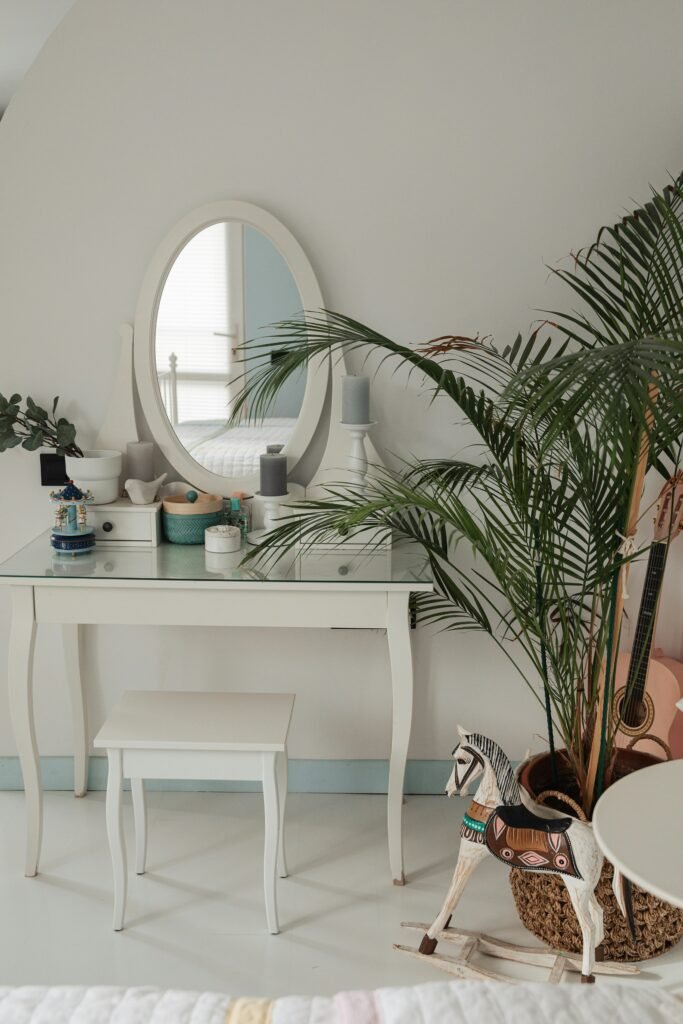
Creating a Small Space Just for Me
For a long time, I ended every day exhausted and empty.
Now, I protect a small pocket of time just for myself—even if it’s only 15 minutes.
Sometimes I read.
Sometimes I stretch.
Sometimes I do nothing at all.
That time helps me reset. It reminds me that I’m not just a mom—I’m a person too.
Taking care of myself isn’t selfish. It’s how I show up better the next day.
Choosing Real Over Perfect
A real mom routine isn’t about having everything under control.
It’s about finding rhythms that support your life.
It’s about accepting messes without guilt.
It’s about doing your best—even when your best looks different every day.
The chaos doesn’t disappear. But you learn how to navigate it, laugh at it, and sometimes even appreciate it.
So if your house isn’t spotless, your routine isn’t perfect, and your coffee gets cold—welcome to real life.
You’re not failing. You’re living it.

What This Routine Taught Me About Motherhood and Myself
One thing I didn’t expect when I started simplifying my routine was how much it would change the way I see myself as a mom.
For years, I measured my success by how much I could handle. How busy I was. How exhausted I felt at the end of the day. Somewhere along the way, “doing it all” became the goal, even though it left me constantly overwhelmed.
This routine helped me realize something important: being a good mom isn’t about constant effort. It’s about sustainability.
When I slowed things down, I became more patient. I listened better. I yelled less. Not because I was suddenly a better person, but because I wasn’t running on empty all the time.
I also stopped comparing my behind-the-scenes to other people’s highlight reels. My house doesn’t look perfect, and my days aren’t always smooth—but they’re real. And that matters.
Some days, the routine works beautifully. Other days, it barely holds together. But even on those messy days, it gives me something solid to fall back on. A sense of rhythm. A reminder that tomorrow is another chance.
Motherhood is loud, unpredictable, and demanding—but it’s also full of small, quiet moments that are easy to miss when you’re rushing. Slowing down helped me notice them again.
And honestly? That’s worth more than any perfectly organized planner.
Final Word
If you’re reading this and thinking your life feels too messy for a routine, let me reassure you: routines aren’t meant to control your life. They’re meant to support it.
Start small. Adjust often. Drop what doesn’t work. Keep what does.
You don’t need a perfect system.
You just need one that helps you breathe a little easier.